If you are loookig for Asphalt Sealcoating Services in Mooresville NC , Give us a call for quality services . Why It’s the Cheapest Insurance for Your Driveway Of all the services a paving company offers, sealcoating is the one homeowners are most likely to skip — and the one that ends up costing them the most in the long run. It’s a relatively small, affordable service that dramatically extends the life of an asphalt driveway or parking lot, yet many people either don’t know it exists or assume it’s just cosmetic. It isn’t. Here’s what sealcoating actually does, how often you need it, and why it’s one of the best investments you can make in your property.
What Is Asphalt Sealcoating, Exactly?
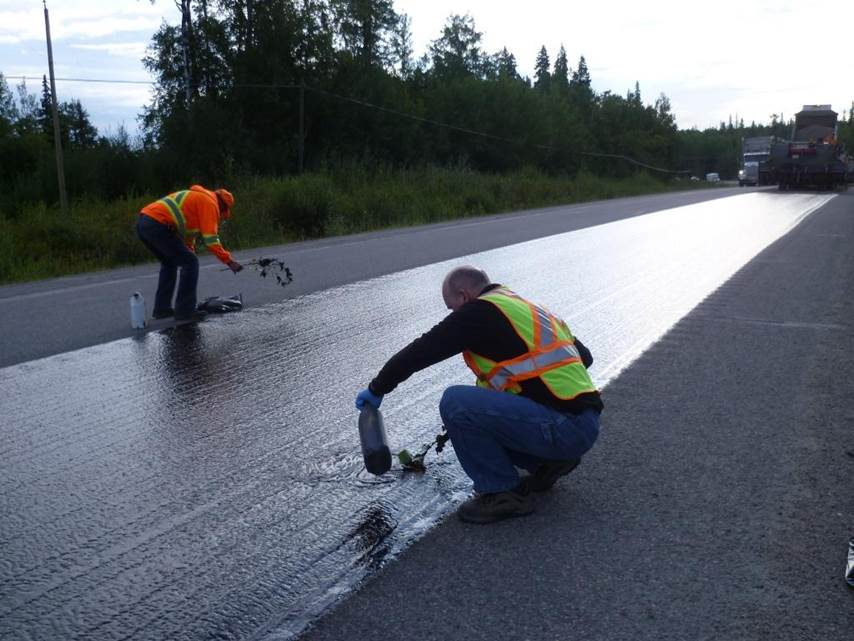
Sealcoating is a protective liquid layer applied to the surface of cured asphalt. It’s typically made from either asphalt-based emulsions or coal-tar-based emulsions (asphalt-based products have become more common in many regions due to environmental regulations), combined with fillers, water, and additives that improve durability and appearance.
Once applied and cured, sealcoat creates a barrier between your asphalt and the elements that damage it: UV rays, water, oil, gas, and de-icing chemicals. It also gives the surface that deep black, freshly-paved look, which is a nice bonus — but protection, not appearance, is the real reason it matters.
Why Sealcoating Matters So Much in Mooresville NC Climate
Asphalt is essentially a mixture of aggregate (stone) held together by asphalt binder, which is petroleum-based. Over time, exposure to UV light oxidizes and dries out that binder, making the surface brittle. Water seeps into small cracks and, especially in areas that see freeze-thaw cycles, expands and forces those cracks wider. Oil and gasoline spills break down the binder chemically, softening the surface.
Sealcoating slows all of these processes significantly. Asphalt industry data and paving professionals commonly cite sealcoating as capable of extending pavement life substantially when applied on a proper schedule — often described as one of the highest-ROI maintenance services available for asphalt surfaces.
How Often Should You Sealcoat in Mooresville, NC?
This is one of the most common questions homeowners and business owners ask, and the honest answer is: it depends on a few factors.
General guidance:
- Residential driveways: every 2–3 years
- Commercial parking lots: every 2–3 years, though high-traffic lots may benefit from more frequent applications
- New asphalt: should cure for 90 days before the first sealcoat application
Factors that affect timing:
- Sun exposure — driveways with little shade need sealcoat more often than shaded ones
- Traffic volume — more vehicle traffic accelerates wear
- Climate — areas with hot summers and cold winters (like much of North Carolina) put more stress on asphalt than milder climates
- Existing condition — a driveway that already shows fading or minor cracking should be sealed sooner rather than later
A professional contractor should assess your specific driveway or lot rather than applying a blanket schedule — over-sealing can be just as wasteful as under-sealing.
What’s Included in a Professional Mooresville Sealcoating Service
A quality sealcoating job is more than just spraying a coat of product on the surface. It typically includes:
- Cleaning — removing dirt, debris, and vegetation from cracks and the surface
- Crack filling — sealing existing cracks before sealcoat is applied, since sealcoat alone won’t bridge a structural crack
- Oil spot priming — treating oil and gas stains with a primer so the sealcoat adheres properly (without this step, sealcoat can peel off stained areas within months)
- Application — typically two coats, applied by spray or squeegee depending on the surface and contractor’s equipment
- Curing time — usually 24–48 hours before the surface can handle vehicle traffic, weather-dependent
Skipping any of these steps is a common shortcut among lower-quality contractors, and it shows up as peeling or uneven wear within the first year. Dont worry, if you need Asphalt Sealcoating Services in Mooresville NC or nearby areas give us a call now.
Sealcoating vs. Repaving: Which Does Your Driveway Need?
Many homeowners call asking for a “sealcoat” when what they actually need is a repair or partial repave — and vice versa. Here’s a simple way to think about it:
- Sealcoat is appropriate when the asphalt structure is sound but the surface is fading, showing minor surface cracking (hairline cracks), or starting to look dry and gray.
- Crack sealing is appropriate for isolated cracks before they widen — often done alongside sealcoating.
- Patch repair is needed when there are potholes or areas where the base has failed.
- Full repave is necessary when there’s widespread structural damage, alligator cracking across large areas, or the base itself has deteriorated.
A contractor who tries to sell you sealcoating over a driveway with serious structural cracking either doesn’t know what they’re doing or isn’t being straight with you — sealcoat cannot fix a broken base.
Sealcoating Cost Considerations in Mooresville, NC
Sealcoating costs vary depending on square footage, surface condition (crack filling and oil spot treatment add cost), and regional labor rates. As a rough guide, sealcoating typically costs a small fraction of what a full repave costs per square foot — which is exactly why it’s worth doing proactively rather than waiting until a full repave becomes the only remaining option. Getting a specific, written quote based on your driveway’s actual condition is always the most accurate way to budget.
DIY Sealcoating vs. Professional Application
Sealcoat products are sold at most hardware stores, and DIY application is possible for very small, simple driveways. However, professional application generally produces better, longer-lasting results because contractors:
- Use commercial-grade sealcoat with better binder ratios than retail products
- Apply proper crack filling and oil-spot priming before sealing
- Use spray equipment that provides more even coverage than a roller or squeegee
- Know how to avoid common mistakes like sealing over debris or applying too thick a coat (which can crack and peel)
For a service you’re only doing every 2–3 years, the cost difference between DIY and professional application is usually small relative to the improvement in results and longevity.
Best Time of Year to Sealcoat in North Carolina
In North Carolina’s climate, sealcoating is best done in warmer months — generally spring through early fall — when temperatures are consistently above 50°F both during application and for the curing period afterward. Sealcoat applied in cold or wet conditions won’t cure properly and may fail prematurely.
Types of Sealcoat Products Used in Mooresville
Not all sealcoat is the same, and the type used affects both durability and environmental impact:
- Asphalt-emulsion sealcoat — water-based, lower odor, and increasingly the standard choice as more states and municipalities restrict coal-tar products
- Coal-tar emulsion sealcoat — historically popular for its durability and resistance to oil/gas staining, though it’s been restricted or banned in some jurisdictions due to environmental concerns; availability varies by state and region
- Acrylic sealcoat — a premium option, often used on higher-end commercial properties, offering strong UV resistance and color retention, typically at a higher price point
A reputable contractor should be able to explain which product they use, why, and how it fits your budget and durability needs — rather than defaulting to whatever is cheapest without discussing trade-offs.
Spray Application vs. Squeegee Application
The method used to apply sealcoat affects both appearance and longevity:
- Spray application — applies a more even, consistent coat and is generally faster for larger surfaces like commercial lots. It also tends to fill minor surface irregularities more evenly.
- Squeegee (brush) application — pushes sealcoat into the pores of the asphalt more aggressively, which some contractors argue improves adhesion on older, more porous surfaces, though it can leave visible application lines if not done carefully.
Some contractors use a combination — squeegee first to work product into the surface, followed by a spray topcoat for even appearance. Asking which method (or combination) will be used, and why, is a reasonable question for any homeowner or business owner getting quotes.
How Many Coats Do You Actually Need?
Most professional sealcoating jobs apply two coats rather than one. The first coat fills pores and minor surface irregularities; the second provides the even, protective top layer that gives the driveway its finished look and full protective value. A single-coat application is cheaper but generally wears thinner and fails sooner — particularly in high-traffic areas or spots with heavy sun exposure. If a quote specifies only one coat, it’s worth asking whether that’s a deliberate cost-saving option or a corner being cut.
Common Sealcoating Mistakes That Shorten Its Lifespan
Even a good sealcoat product will underperform if it’s applied incorrectly. Common issues include:
- Applying too thick a coat — counterintuitively, a thicker coat is more likely to crack and peel than two properly thinned coats
- Sealing over debris or dirt — traps contamination under the coating, leading to poor adhesion and early peeling
- Skipping oil-spot primer — sealcoat applied directly over an untreated oil stain typically fails within months in that specific spot
- Applying in the wrong weather — sealcoat applied when temperatures are too low, or right before rain, won’t cure properly
- Not allowing enough cure time before traffic — driving on sealcoat before it’s fully cured causes tire marks, tracking, and uneven wear
Asking a contractor how they avoid these specific mistakes is a good way to gauge their experience level.
What Sealcoating Does — and Doesn’t — Fix
It’s worth being clear-eyed about the limits of sealcoating, since it’s sometimes oversold as a cure-all:
Sealcoating helps with:
- Slowing UV oxidation and surface drying
- Protecting against water penetration through the surface
- Resisting oil, gas, and de-icing chemical damage
- Improving appearance and curb appeal
Sealcoating does NOT fix:
- Structural cracking caused by base failure
- Potholes or areas where the base has already collapsed
- Poor drainage or grading issues
- Existing alligator cracking (though crack sealing beforehand can address isolated cracks)
Understanding this distinction helps set realistic expectations and avoid paying for a service that won’t solve the actual underlying problem.
Frequently Asked Questions About Sealcoating
Will sealcoating make small cracks disappear?
Sealcoat alone won’t bridge structural cracks. Cracks should be filled with rubberized crack sealant before sealcoating is applied — this is typically included as a line item in a professional sealcoating quote.
How soon after paving can I sealcoat a new driveway?
Most contractors recommend waiting at least 90 days after installation, allowing the asphalt’s volatile oils to fully cure before sealing over the surface.
Can I walk or drive on my driveway right after sealcoating?
Foot traffic is usually fine within a few hours, but vehicle traffic should typically wait 24–48 hours, depending on temperature and humidity during curing.
Does sealcoating change the color of my driveway?
Yes — sealcoat gives asphalt a deep black, uniform appearance, which is why many homeowners notice a dramatic visual improvement immediately after application, separate from its protective function.
Is sealcoating worth it for an older driveway that already has some damage?
Often yes, if the damage is limited to surface-level fading and minor cracking. A professional assessment can confirm whether crack sealing plus sealcoating is sufficient, or whether patch repair is needed first.
Protect Your Investment With Mooresville Sealcoating Services
Whether it’s a driveway or a commercial lot, sealcoating is one of the most cost-effective ways to protect an asphalt investment and delay the far more expensive cost of a full repave. If it’s been more than a couple of years since your last sealcoat — or you’ve never had it done — it’s worth getting a professional assessment.
J&J Paving & Asphalt Maintenance provides sealcoating, crack sealing, and asphalt maintenance services throughout Mooresville, Davidson, Cornelius, Huntersville, Statesville, Concord, Kannapolis, and Troutman. Contact our team for an honest evaluation of your driveway or parking lot and a maintenance plan built around your actual needs. Best Asphalt Sealcoating Services in Mooresville NC.